
ASAR EDITORIAL: Shimla’s hidden crisis : Waste and the tourist load
From the pen of Ananya Kapur


Ananya Kapur
PGDM HCM student at Goa Institute Of Management


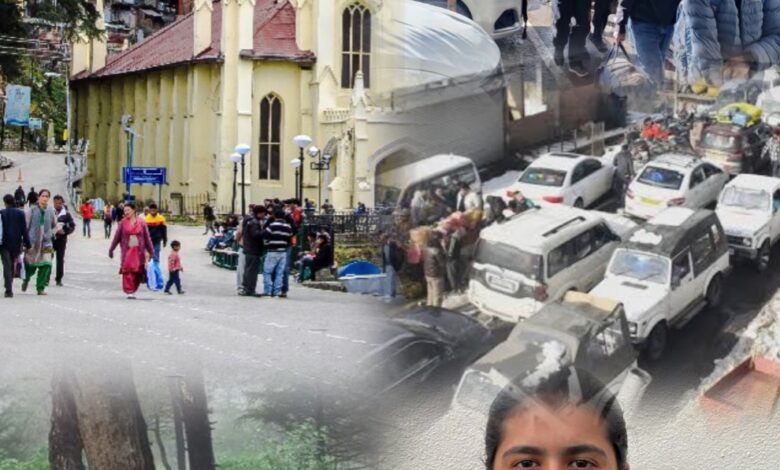
By four o’clock on a May afternoon, The Mall moves at a shuffle. The crowds keep
Shimla’s shops, hotels and taxis running but what they leave behind, in corners, on
roadsides and down the slopes, is left for the town to deal with. Shimla was planned in the colonial era for a small population of 25,000, and each summer it hosts many times that number.
A recent Tribune report put the city’s daily waste at about 108 tonnes, roughly 59 of it
wet and 43 dry. Shimla still has no engineered sanitary landfill, and its material recovery facilities handle only a tonne or so of dry waste a day. Much of the real recycling is done
quietly by ragpickers and informal collectors, who get little recognition and less pay.
This May showed how thin the margin is. More than 900 sanitation workers of the SEHB
society went on strike from 15 May 2026 over a withdrawn annual increment. At the
peak of the season, door-to-door collection stopped and garbage piled up across town. The corporation invited tenders to outsource collection, which raises a fair question: is
the town better served by contractors, or by a workforce it treats well?
Then there is the question of who pays. Visitors add to the waste but contribute nothing directly towards clearing it. The Municipal Corporation has passed proposals for a green tax on tourists several times, and they are still waiting for the state government’s
approval. The Solid Waste Management Rules, 2026, in force since 1 April, now let local bodies charge a waste fee in high-footfall destinations, but the state has not said when or how much.
The corporation has proposed a collection centre at Tutikandi for garbage from tourist vehicles, so that it stops ending up on roadsides. These help, but they are patches on a system built for a smaller town.
Environmentalist Pradeep Sangwan of Healing Himalayas told ANI in June that
“Himachal Pradesh and other Himalayan destinations need policies based on tourist
footfall.” Shimla does not need fewer visitors. It needs a plan that treats them as part of the load it must carry: proper funding, fair wages for those who clean up after them, and a landfill that does not threaten its own forests. A tourist town that cannot manage its rubbish will, sooner or later, stop being worth the trip.


